

Comparing Bwindi and Mgahinga Gorilla Trekking. Uganda is world-renowned for its mountain gorilla trekking experiences, offering travelers the rare opportunity to observe these magnificent primates in their natural rainforest habitat. Among the country’s gorilla trekking destinations, Bwindi Impenetrable National Park and Mgahinga Gorilla National Park stand out as the most popular. Both parks are located in southwestern Uganda and are part of the larger Albertine Rift ecosystem, but each offers a distinct experience in terms of terrain, gorilla families, trekking challenges, and visitor services. For travelers seeking the perfect gorilla trekking adventure, understanding the differences between Bwindi and Mgahinga is crucial. Afrigaze Uganda Safaris, a leading tour operator, helps travelers navigate these options to ensure a seamless, unforgettable experience.
Overview of Bwindi Impenetrable National Park
Bwindi Impenetrable National Park, a UNESCO World Heritage Site, is Uganda’s flagship destination for mountain gorilla trekking. Covering approximately 321 square kilometers, Bwindi is characterized by dense tropical rainforest, dramatic hills, and a network of rivers and valleys. The park is home to more than half of the world’s mountain gorilla population, with over 400 gorillas divided among multiple habituated families.
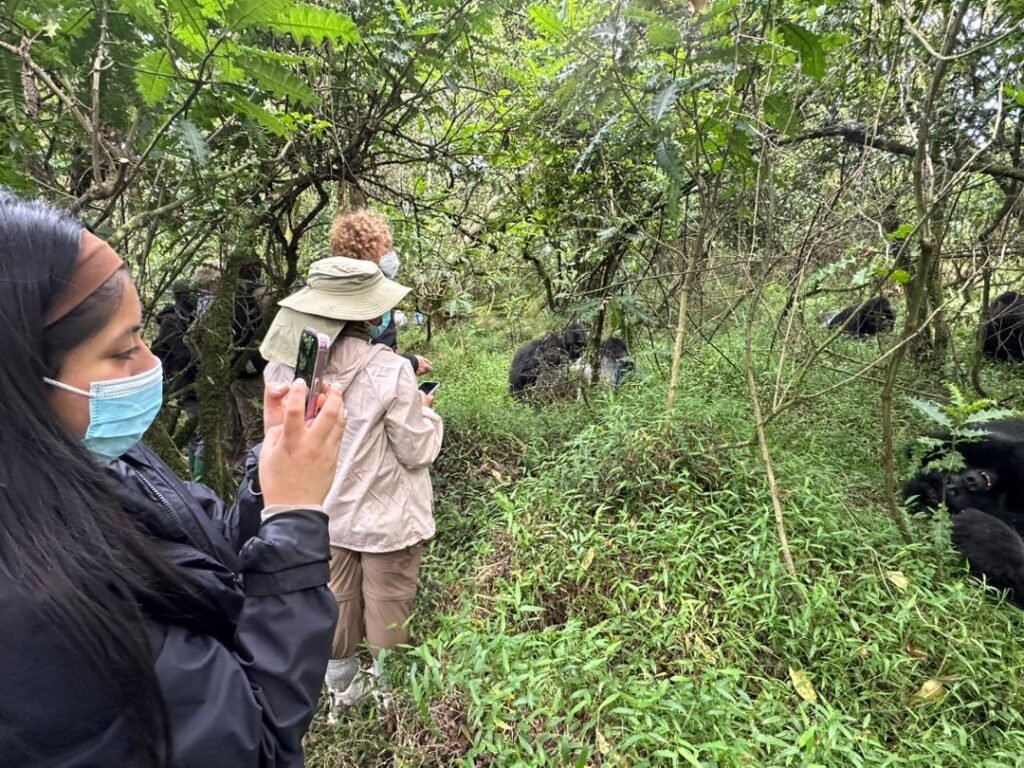
Bwindi is divided into four main trekking sectors: Buhoma, Ruhija, Nkuringo, and Rushaga. Each sector offers access to different gorilla families, and the choice of sector often depends on permit availability, preferred trekking difficulty, and desired wildlife encounters. Trekking in Bwindi typically involves steep climbs and variable trail conditions, making it suitable for moderately fit travelers. However, the reward is immense: intimate encounters with gorillas amidst lush, undisturbed forest.
Understanding Mgahinga Gorilla National Park
Mgahinga Gorilla National Park is smaller than Bwindi, covering approximately 33.7 square kilometers, and forms part of the larger Virunga Conservation Area that spans Uganda, Rwanda, and the Democratic Republic of Congo. Despite its size, Mgahinga offers a unique gorilla trekking experience, featuring the dramatic backdrop of the Virunga volcanic mountains.
The park is home to fewer gorillas than Bwindi, primarily the Nyakagezi family, which is fully habituated for trekking. Mgahinga is ideal for travelers seeking a quieter, less crowded trekking experience. The forest trails here are generally more manageable, though the terrain includes volcanic slopes that can be challenging. Mgahinga also offers additional activities such as golden monkey tracking, hiking Mount Sabinyo, and visiting local Batwa communities, making it appealing for travelers looking to combine gorilla trekking with other cultural and adventure experiences.
Gorilla Families and Habituation
One of the main factors differentiating Bwindi and Mgahinga is the number and size of gorilla families. Bwindi hosts several habituated families, each ranging from 10 to 25 members. Popular families such as the Mubare, Rushegura, and Habinyanja groups allow trekkers to choose based on sector and permit availability. The large number of families ensures flexibility in trekking schedules, making Bwindi suitable for both peak and off-peak travelers.
Mgahinga, in contrast, has fewer habituated gorilla families. The Nyakagezi family, currently consisting of 11 members, is the primary group visited by tourists. This smaller number of gorillas means the trekking experience is more intimate, with less competition for permits. Travelers often appreciate the close-knit encounters and the opportunity to observe social interactions among a small gorilla family in a quieter environment.
Afrigaze Uganda Safaris ensures that travelers are matched with gorilla families suited to their preferences and fitness levels, whether visiting Bwindi or Mgahinga. The company’s expert guides provide detailed briefings about gorilla behavior, safety, and ethical viewing practices to maximize the trekking experience.
Trekking Experience and Difficulty
Bwindi is famous for its challenging terrain. The rainforest is dense, with steep slopes, slippery trails, and thick undergrowth. Treks can last anywhere from 2 to 8 hours, depending on the gorillas’ location and the chosen sector. While physically demanding, Bwindi offers a rewarding sense of adventure, with lush scenery, diverse flora, and the thrill of tracking one of the world’s most endangered species. Trekking in Bwindi is best suited for moderately fit travelers who enjoy rigorous forest hikes.
Mgahinga, on the other hand, offers a more moderate trekking experience. The forest trails are shorter and less steep overall, making them accessible to travelers of varying fitness levels. Trekking time is typically 2 to 4 hours. The added attraction of volcanic scenery, including the iconic Mount Sabinyo, adds a unique dimension to the hike. For first-time trekkers, elderly travelers, or those preferring a less strenuous adventure, Mgahinga can be the ideal choice.
Afrigaze Uganda Safaris customizes itineraries to match each traveler’s fitness and experience level, ensuring safe and enjoyable trekking regardless of which park is chosen.
Wildlife and Flora
Both parks are rich in biodiversity, but they offer slightly different experiences. Bwindi’s dense rainforest is home to more than 350 bird species, numerous primates, and a variety of small mammals. Trekkers can also encounter forest elephants, bushbucks, and other wildlife along the trails. The park’s dense vegetation enhances the sense of mystery and adventure, creating an immersive rainforest experience.
Mgahinga’s volcanic forest provides a unique habitat with a combination of bamboo and montane forest. While the wildlife variety is smaller than Bwindi, visitors enjoy the chance to see golden monkeys, birds, and other primates. The volcanic backdrop and panoramic views from higher elevations make Mgahinga particularly appealing for photographers and those seeking scenic trekking experiences.
Afrigaze Uganda Safaris often incorporates wildlife spotting opportunities into both Bwindi and Mgahinga treks, adding depth and excitement to the gorilla trekking experience.
Visitor Numbers and Crowding
Bwindi receives higher numbers of visitors due to its larger size and more habituated gorilla families. While permit regulations limit the number of trekkers per gorilla family per day, the park can feel busy during peak seasons. Despite this, careful planning and early bookings can provide a comfortable experience.
Mgahinga, by contrast, is much less crowded. The smaller size of the park and limited gorilla families create an exclusive and tranquil trekking environment. Travelers who prefer solitude, fewer crowds, and a more intimate connection with nature often favor Mgahinga. Afrigaze Uganda Safaris arranges group or private trekking tours to ensure that each visitor enjoys a personalized experience, regardless of the park chosen.
Accessibility and Logistics
Bwindi is accessible from major towns such as Kabale and Kisoro, with travel times ranging from 6 to 8 hours from Kampala. Domestic flights to airstrips near Bwindi are available for travelers seeking a faster and more comfortable option.
Mgahinga is more remote and is often accessed via Kisoro or across the border from Rwanda. Travel logistics are simpler for shorter, one-day tours from nearby towns or Kigali. For cross-border travelers, Afrigaze Uganda Safaris handles all permits, transportation, and briefing arrangements, making the trip seamless.
Cultural Experiences and Activities
Both Bwindi and Mgahinga offer opportunities to engage with local communities. Bwindi visitors can interact with Batwa pygmy communities, learning about traditional lifestyles, crafts, and forest survival techniques.
Mgahinga offers similar experiences but with additional adventure options such as golden monkey tracking, hiking volcanic peaks, and exploring the scenic Virunga landscape. These activities complement gorilla trekking and make Mgahinga a more versatile destination for travelers seeking multi-activity tours. Afrigaze Uganda Safaris designs itineraries that combine wildlife, cultural experiences, and adventure activities for a holistic Ugandan safari experience.
Cost Considerations
Gorilla trekking permits are the largest single expense for both parks. Bwindi permits currently cost around $700 per person, while Mgahinga permits are approximately $600. Additional costs for transportation, accommodation, meals, and guided tours vary depending on the itinerary and level of service. Group trekking options and Afrigaze Uganda Safaris’ customized packages can help reduce overall costs without compromising the quality of the experience.
Both Bwindi and Mgahinga offer extraordinary gorilla trekking experiences, but they cater to different traveler preferences. Bwindi is ideal for those seeking a larger park, multiple gorilla families, and more challenging trekking in dense rainforest. Mgahinga is perfect for travelers seeking a quieter, less crowded adventure with volcanic scenery and additional activities.
Afrigaze Uganda Safaris provides expertly guided, well-organized gorilla trekking tours to both Bwindi and Mgahinga, ensuring that every traveler enjoys a safe, memorable, and responsible wildlife experience. Whether you choose the dense rainforest of Bwindi or the serene volcanic slopes of Mgahinga, Uganda’s mountain gorillas promise a once-in-a-lifetime adventure that will leave lasting memories.