

Chances of seeing the lions and leopards on a Uganda safari. Uganda is often celebrated as the “Pearl of Africa” for its lush landscapes, abundant wildlife, and unique safari experiences. While the country is globally famous for mountain gorillas and primate tracking, it also offers opportunities to see Africa’s iconic big cats—lions and leopards. However, spotting these elusive predators requires understanding their behavior, preferred habitats, and the best safari destinations. With careful planning, a guided safari, and a bit of patience, travelers can enjoy rewarding sightings of lions and leopards in Uganda’s diverse national parks.
Afrigaze Uganda Safaris specializes in wildlife-focused tours and can help travelers maximize their chances of encountering big cats in Uganda, combining expert knowledge with carefully selected park itineraries.
Lions in Uganda: Where and When to Spot Them
Lions are primarily found in Uganda’s savanna and open grassland ecosystems. The best destinations for lion sightings include Queen Elizabeth National Park (QENP), Murchison Falls National Park (MFNP), and Kidepo Valley National Park.
Queen Elizabeth National Park is the most accessible and popular safari destination for lion sightings. Lions in QENP are often seen in the open savannah areas of the Kasenyi Plains, where prides rest and hunt during the day. Early morning and late afternoon game drives offer the highest chances of spotting lions actively hunting, resting in the shade, or interacting socially within the pride.
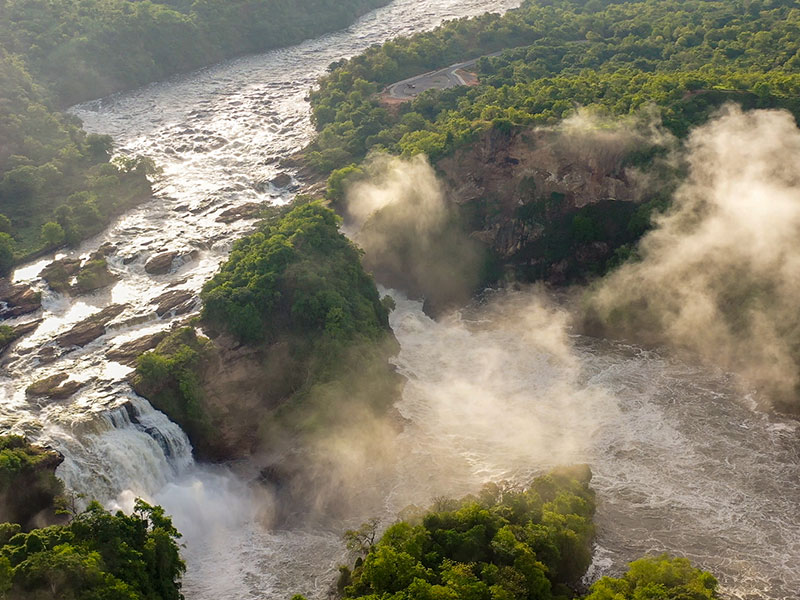
Murchison Falls National Park, located in northern Uganda, is home to lions along the Albert Nile and in the savannah woodlands. Lion sightings are less predictable here compared to QENP but remain possible, especially near water sources where prey congregates.
Kidepo Valley National Park in northeastern Uganda is a remote, rugged wilderness with fewer visitors, giving wildlife more freedom to behave naturally. Kidepo is an excellent destination for adventurous travelers aiming to see lions in a less crowded environment. Lion sightings in Kidepo are often accompanied by the opportunity to observe other predators and rare antelope species.
Generally, lions are social animals, which increases the likelihood of spotting multiple individuals together. However, sightings are still subject to chance and timing. Early morning and late afternoon are the most productive periods for lion observation, as these are the times when they are most active and not resting in thick vegetation.
Leopards in Uganda: The Elusive Cats
Leopards are more secretive and nocturnal compared to lions, making them significantly harder to spot. These solitary predators prefer dense forests, rocky outcrops, and riverine areas where they can hunt undisturbed. The most promising locations for leopard sightings in Uganda include Queen Elizabeth National Park, Murchison Falls National Park, and occasionally Kidepo Valley National Park.
In QENP, leopards are frequently found in the Ishasha sector, famous for tree-climbing lions but also offering dense forested areas where leopards hunt. Leopards in Ishasha use tall acacia trees and thick undergrowth for cover, so spotting them requires patience, a keen eye, and guidance from experienced trackers.
Murchison Falls National Park’s riverine forests provide excellent leopard habitat. While sightings are rare, early morning and evening game drives improve the chances, as leopards often move during these cooler periods. Night drives or guided spotlighting tours in some areas may also increase the likelihood of observing leopards.
Because leopards are nocturnal and solitary, sightings are often fleeting. Travelers should manage expectations, knowing that spotting a leopard is considered a special achievement during any Uganda safari. Afrigaze Uganda Safaris guides use local knowledge, previous sighting reports, and tracking skills to help travelers locate these elusive cats.
Factors Affecting Lion and Leopard Sightings
Several factors influence the chances of seeing lions and leopards on a Uganda safari:
- Season: The dry seasons from June to September and December to February are generally the best for big cat sightings. Sparse vegetation makes it easier to spot predators from a distance, and wildlife tends to gather around water sources. Wet seasons can make sightings more challenging due to thick foliage and dispersed prey.
- Habitat: Lions prefer open savannahs, while leopards thrive in dense forests and rocky terrain. Choosing the right national park for each species is critical.
- Time of Day: Early morning and late afternoon game drives are most effective. Lions are active around these times, while leopards often hunt or move during dusk and dawn. Night drives can sometimes reveal leopards with the use of spotlights.
- Guide Expertise: Experienced guides significantly improve the chances of sightings. They know predator behavior, territory ranges, and local sighting patterns, allowing tourists to position themselves strategically.
- Luck: Wildlife sightings are never guaranteed, as lions and leopards roam freely. Patience, persistence, and flexibility in itinerary enhance the likelihood of encounters.
Combining Safaris for Maximum Wildlife Viewing
Many travelers combine multiple national parks in Uganda to increase their chances of seeing lions, leopards, and other wildlife. For example:
- Queen Elizabeth National Park: Lions, leopards, elephants, hippos, crocodiles, and a rich bird population.
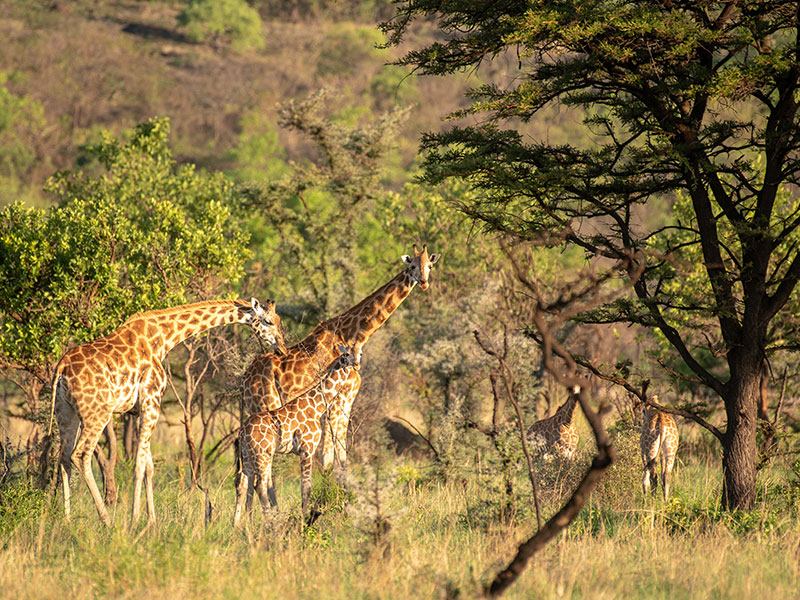
- Murchison Falls National Park: Lions, leopards, elephants, giraffes, hippos, and the spectacular waterfall scenery.
- Kidepo Valley National Park: Lions, cheetahs, leopards, wild dogs, and unique savannah species in a remote wilderness.
Afrigaze Uganda Safaris can design multi-park itineraries tailored to clients’ preferences, combining predator-focused game drives with other activities such as boat safaris, chimpanzee tracking, or cultural visits. This approach enhances overall wildlife sightings while providing a varied Ugandan safari experience.
Tips to Improve Your Chances of Seeing Lions and Leopards
- Book a guided safari with experienced guides.
- Schedule early-morning and late-afternoon game drives.
- Visit during the dry seasons for better visibility.
- Choose parks with known big cat populations and habitats suited to each species.
- Be patient and attentive; wildlife may appear unexpectedly.
- Carry binoculars and cameras with telephoto lenses for better viewing and photography.
Afrigaze Uganda Safaris: Your Expert Safari Partner
Afrigaze Uganda Safaris specializes in wildlife-focused tours that maximize big cat sightings. With expert guides, strategic itineraries, and local knowledge of predator habits, Afrigaze ensures travelers have the best possible chance to encounter lions and leopards in Uganda. From custom multi-day safaris to tailored game drives, the company combines comfort, adventure, and responsible tourism to deliver unforgettable safari experiences.