

What are the chances to see lions in Uganda. Lions are, for most travellers, the single animal that defines an African safari, and Uganda is one of the few countries left on the continent where you can see them behaving in a way found almost nowhere else on earth: draped over tree branches in the middle of the day. But how likely are you actually to see lions on a Uganda safari, and where should you go to maximize your chances? This guide breaks down Uganda’s lion population, the best parks for sightings, and the practical factors — season, timing, and terrain — that determine whether you’ll come home with that classic lion photograph.
At Afrigaze Uganda Safariz, lion sightings are one of the most frequent questions we get from guests planning a safari, so we’ve put together an honest, practical answer below.
Uganda’s Lion Population at a Glance
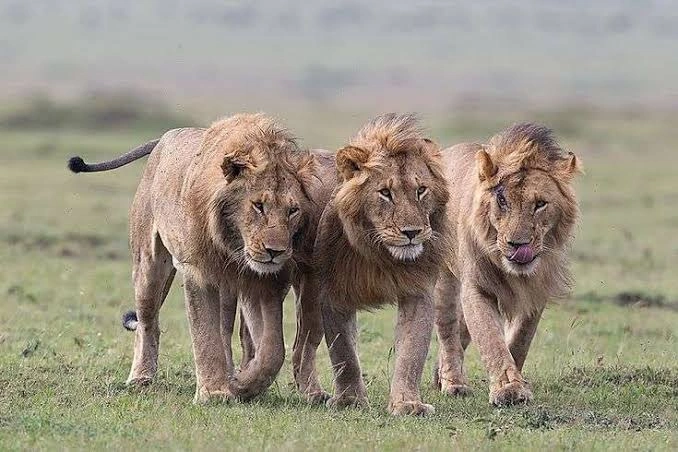
Uganda is home to an estimated 400 to 500 lions, a modest number compared to countries like Tanzania or Botswana, but concentrated in a handful of parks where sightings are genuinely reliable. The two standout destinations are Queen Elizabeth National Park, famous for its tree-climbing lions, and Kidepo Valley National Park in Uganda’s remote northeast, which holds one of the country’s largest and fastest-growing lion populations. Understanding where each park’s lions live, and when they’re most active, is the key to a successful sighting.
Queen Elizabeth National Park: Home of the Tree-Climbing Lions
Queen Elizabeth National Park is Uganda’s most visited savannah park, and its Ishasha sector holds one of only two lion populations in the world known for regularly climbing trees, the other being Lake Manyara National Park in Tanzania. Ishasha’s prides favour the broad, low branches of fig and acacia trees, where they escape biting insects and the midday heat while keeping a clear vantage point over grazing herds of Uganda kob and buffalo below. Because entire prides tend to spend the hottest hours of the day up in the same handful of favourite trees, and because park rangers track their movements closely, the chances of seeing them in Ishasha are genuinely high, particularly during a late-morning or early-afternoon game drive. Beyond Ishasha, the northern Kasenyi plains of Queen Elizabeth also hold resident lion prides that hunt on the open savannah in a more classic, ground-based style, giving visitors two very different lion-viewing experiences within a single park.
Kidepo Valley National Park: Uganda’s Best-Kept Lion Secret
Far in Uganda’s northeastern corner, Kidepo Valley National Park is widely regarded by safari guides as the best place in the country to see lions, even though it receives a fraction of the visitors that Queen Elizabeth does. The park’s lion population is concentrated around the Narus Valley, the only reliable water source during the dry season, which draws large herds of buffalo, zebra, and antelope — and the predators that follow them. Kidepo’s lions are also known to rest on rocky kopjes and, occasionally, in sausage trees, giving them a commanding view across the plains. Because of the park’s remoteness and low tourist numbers, sightings here often come without another vehicle in sight, an increasingly rare experience in African wildlife tourism. If you’re keen to explore Uganda’s wilder northern circuit further, our guide to tourist attractions in Northern Uganda covers what else the region has to offer.
Murchison Falls National Park: A Reliable Third Option
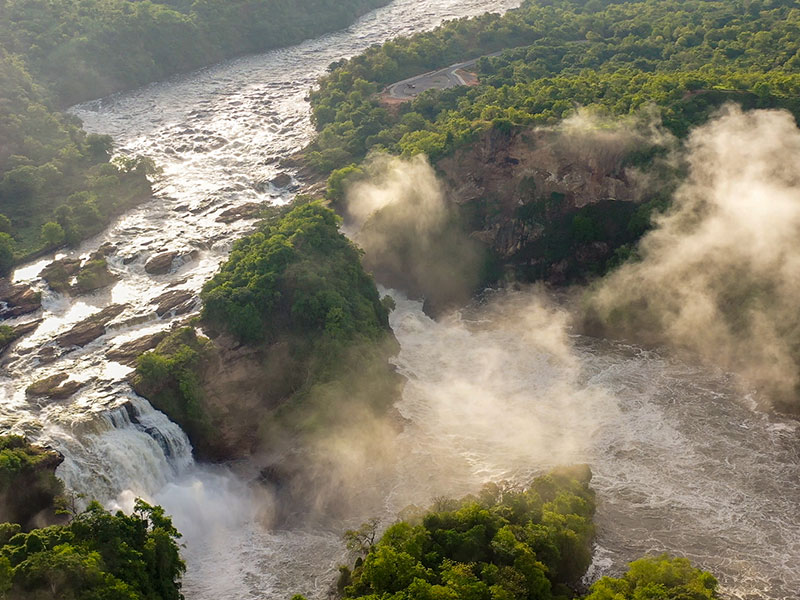
While not as famous for lions as Queen Elizabeth or Kidepo, Murchison Falls National Park also holds a resident lion population, particularly on the northern bank of the Nile within the open savannah of the Buligi game-viewing circuit. Sightings here are less predictable than in Ishasha or Kidepo, but Murchison’s sheer size and diversity of habitats mean that morning and late-afternoon game drives regularly turn up prides resting in the grass or moving along the tracks. Combining a game drive with the park’s famous boat ride to the base of Murchison Falls makes for one of Uganda’s most complete single-park safari days.
Best Time of Day and Season to See Lions
Timing matters as much as location. Lions are most active, and easiest to spot, during the cooler hours of early morning and late afternoon, when they hunt or move between resting spots; through the heat of midday they tend to rest in shade or, in Ishasha’s case, up in the trees. Seasonally, the dry months — roughly December to February and June to September — offer the best odds, since thinning vegetation improves visibility and animals concentrate around remaining water sources, concentrating predators in turn. That said, lions can be seen year-round in all three parks, and the wetter months bring the added benefit of lush scenery and noticeably fewer vehicles on the tracks.
Tips for Maximising Your Lion Sightings
A knowledgeable guide makes an enormous difference, since experienced trackers and ranger networks often know a pride’s current territory and recent movements before a game drive even begins. Early morning game drives, departing before or at sunrise, consistently produce the best results, as lions are frequently still finishing a night’s hunt or moving to a shaded resting spot. Allowing extra time in the park rather than rushing through on a single drive also improves the odds significantly — Kidepo and Ishasha in particular reward travellers who dedicate at least a full day, or ideally two, to game viewing. Binoculars and a telephoto lens are worth packing, since lions are often spotted at a distance across open grassland before a vehicle can approach.
Combining Lion Viewing with Other Uganda Highlights
Because Uganda’s lion parks double as excellent all-round wildlife destinations, most travellers combine lion tracking with other activities in the same itinerary. Queen Elizabeth pairs naturally with a boat cruise on the Kazinga Channel for hippos, crocodiles, and prolific birdlife, while a Kidepo safari is often extended with cultural visits to the Karamojong communities of the surrounding Karamoja region. Travellers looking for a broader wildlife and primate circuit frequently combine lion tracking in Queen Elizabeth with gorilla trekking in nearby Bwindi, since the two parks are only a few hours’ drive apart.
So, What Are Your Real Chances?
In short: very good, provided you visit the right park at the right time. In Ishasha’s tree-climbing sector and in Kidepo’s Narus Valley, guides report lion sightings on the large majority of game drives during the dry season, making a lion encounter one of the more dependable highlights of a Uganda safari rather than a matter of pure luck. Murchison Falls offers solid, if slightly less predictable, odds as part of a broader wildlife circuit. Wherever you choose to go, an experienced local guide and a well-planned itinerary are the biggest factors in turning “chance” into near certainty.
Plan Your Uganda Lion Safari with Afrigaze Uganda Safariz
Seeing lions in the wild, whether draped across a fig tree in Ishasha or resting on a rocky outcrop in Kidepo, is one of the defining moments of an African safari. At Afrigaze Uganda Safariz, we design itineraries around the parks, seasons, and game-drive timings that give you the best possible chance of a memorable lion sighting, alongside Uganda’s other iconic wildlife experiences. Contact us today to start planning your lion and wildlife safari in Uganda.