

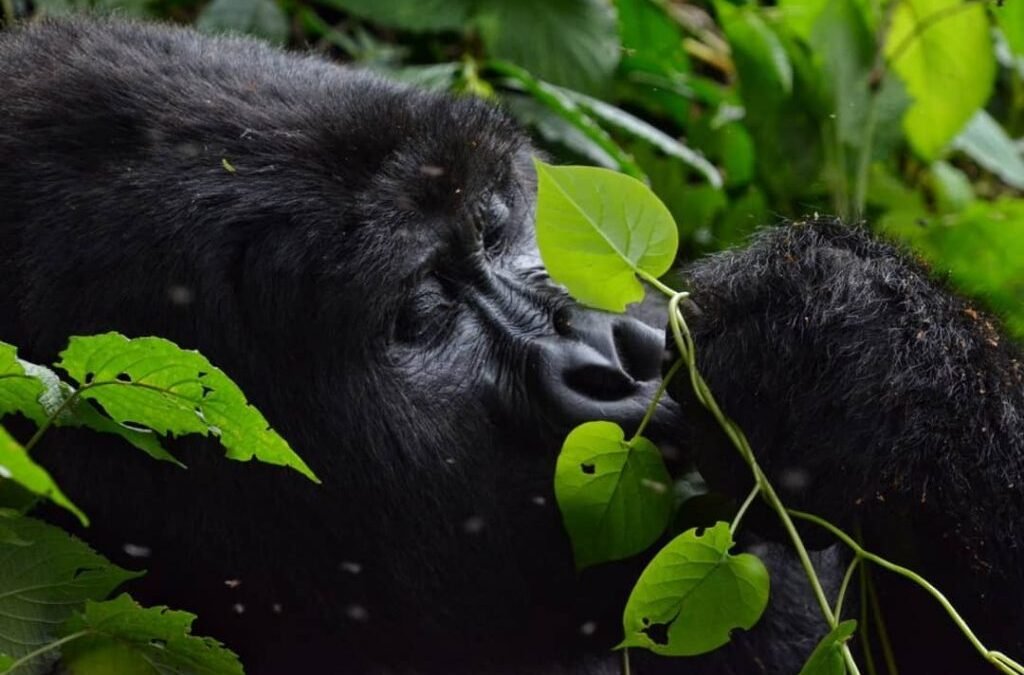
Best Gorilla Trekking Safaris in Uganda. Uganda is home to more than half of the world’s remaining mountain gorillas, spread across two protected forests in the country’s southwest. Choosing between the best gorilla trekking safaris in Uganda comes down to a handful of practical factors — which park and sector suit your fitness level, how the trek fits into a wider itinerary, and how far in advance you book your permit. This guide compares Uganda’s gorilla trekking options, the packages built around them, and the official resources you’ll need to plan a trip with confidence.
Because a gorilla permit is non-transferable and tied to a specific date and park, the planning decisions you make early — which sector to trek in, which lodge to book, and how much buffer time to leave around the trek itself — matter far more here than on a typical wildlife safari. The comparisons below are built around those decisions rather than around marketing claims alone.
What Makes a Gorilla Trekking Safari “the Best” in Uganda?
Not every gorilla safari is built the same way. The strongest itineraries pair a confirmed permit with realistic trekking-sector expectations, comfortable accommodation near the trailhead, and enough buffer time to allow for a longer-than-expected hike. Permits themselves are issued exclusively by the Uganda Wildlife Authority, and full details on availability and booking are published on UWA’s official gorilla tracking page — always worth checking directly before comparing operator quotes. Beyond the permit itself, the strongest safaris also build in a genuine rest day either before or after the trek, since gorilla hikes can run anywhere from thirty minutes to six hours depending on where the family happens to be that morning, and an itinerary with no slack tends to feel rushed even when everything goes smoothly.
Bwindi Impenetrable National Park: Uganda’s Premier Gorilla Destination
Bwindi Impenetrable National Park hosts the majority of Uganda’s habituated gorilla families across four trekking sectors — Buhoma, Ruhija, Rushaga, and Nkuringo — each offering a different trekking distance and lodge access. Recognized as a UNESCO World Heritage site, Bwindi’s ancient rainforest is also detailed on UWA’s official Bwindi Impenetrable National Park page, covering park rules and trekking conditions. Because the four sectors sit up to several hours apart by road, which sector your permit is assigned to has a real effect on your itinerary — Rushaga and Nkuringo sit closer to the southern route toward Lake Bunyonyi, while Buhoma and Ruhija are more central and often paired with a Queen Elizabeth extension instead.
Mgahinga National Park: The Quieter Alternative
Mgahinga National Park, part of the Virunga volcanic range, typically has only one habituated gorilla family available, which means far fewer visitors than Bwindi. It also offers golden monkey tracking and volcano hiking as add-on activities. UWA’s official Mgahinga Gorilla National Park page covers current permit availability and trekking logistics for this less-crowded option. Because only one family is typically available for trekking here, permit availability can be less predictable than in Bwindi, so it’s worth confirming directly with the park before building an entire itinerary around a Mgahinga-specific date.
Best Gorilla Trekking Safari Packages Compared
A few standout itineraries illustrate the range available. Our 5-Day Gorilla Trekking, Safari and Tree Climbing Lions pairs a Bwindi trek with Queen Elizabeth’s famous tree-climbing lions, while the longer 10-Day Wildlife, Big 5, Chimpanzee and Gorilla Safari combines gorillas with a full national park circuit. Travelers with more time can also consider our 14 Days Best of Uganda Safari, and those wanting to extend beyond Uganda entirely should read our related post on combining Uganda gorilla trekking with the rest of East Africa.
When comparing packages side by side, look at the day-by-day breakdown rather than the headline duration alone. Two five-day itineraries can allocate their time very differently — one might spend two full days purely in transit, while another balances driving with genuine wildlife-viewing time at each stop. The strongest itineraries are explicit about drive times, which lodge you’ll stay at each night, and exactly which park activities are included, which makes it far easier to compare similarly priced packages on their actual merits.
Gorilla Trekking Permits: Cost and Booking
Uganda’s gorilla permits are priced notably lower than neighboring Rwanda’s, making the country a popular choice for budget-conscious travelers and repeat trekkers. Because permits are limited per gorilla family per day, booking several months ahead is strongly recommended, particularly for peak season travel. Current pricing and availability should always be confirmed directly through the Uganda Wildlife Authority rather than relying on outdated third-party listings, and the Uganda Tourism Board publishes broader guidance on how gorilla tourism fits into the country’s wider travel offering.
Best Time of Year for Gorilla Trekking in Uganda
Uganda’s two dry seasons — June to September and December to February — offer the firmest trails and easiest hiking conditions, though gorilla trekking is possible year-round. Current seasonal forecasts are published by the Uganda National Meteorological Authority, worth checking before booking, especially for travel during the wetter shoulder months of March to May and October to November. Gorillas remain trackable in all seasons, so wetter months mainly affect trail conditions and comfort rather than your actual odds of a sighting — a useful fact for travelers weighing a shoulder-season trip against the higher demand and pricing of peak months.
Where to Stay for Your Gorilla Safari
Accommodation near Bwindi and Mgahinga ranges from budget guesthouses to comfortable forest-edge lodges. Our guide on where to sleep in Bwindi National Park breaks down options by trekking sector, and properties such as Gorilla Safari Lodge and Kisoro Homely Suite Hotel are popular choices depending on which park and sector your permit is assigned to. As a general rule, it’s worth booking accommodation only after your trekking sector is confirmed, since a lodge chosen too early can end up requiring a much longer pre-dawn drive than necessary on the morning of the trek itself.
Combining Gorilla Trekking with Other Uganda Highlights
Most well-built itineraries extend beyond the trek itself, pairing gorillas with Queen Elizabeth’s game drives, chimpanzee tracking in Kibale, or a broader wildlife circuit. Browse our full destinations list and safari packages to see how these parks connect, and check our post on the best Uganda safaris for solo travelers if you’re planning this trip alone.
Planning Your Gorilla Trekking Safari
Start by confirming your permit dates, since these are the least flexible part of any itinerary, then build accommodation and the rest of your route around them. Pack sturdy waterproof hiking boots, gardening-style gloves for stinging nettles, and a light rain jacket regardless of season, since Bwindi’s forest canopy means showers can appear with little warning even in the dry months. Read more about us, check our FAQ page for common trekking questions, and confirm entry requirements through Uganda’s official e-visa portal and the Ministry of Tourism, Wildlife and Antiquities before you travel. General health guidance for travelers to Uganda is also available from the U.S. CDC’s Uganda travel page.
Ready to plan your gorilla trekking safari? Get in touch for a custom itinerary, or head back to our homepage to start exploring.