

What to see in Kidepo National Park. Tucked into Uganda’s far northeastern corner, Kidepo Valley National Park is one of Africa’s most remote and least-visited wilderness areas, and precisely because of that, it offers some of the country’s most rewarding game viewing. Rugged mountain backdrops, golden savannah plains, and species found nowhere else in Uganda combine to make Kidepo a genuine bucket-list stop for travelers willing to make the journey. Here’s what to see once you get there.
Because Kidepo receives a fraction of the visitors that Uganda’s southern parks do, a trip here rewards travelers looking for genuine wilderness rather than a checklist of easy sightings. Days can pass with barely another vehicle in sight, and the payoff is a rawer, more immersive safari experience than almost anywhere else in the country. Browse our blog for more on how Kidepo compares with Uganda’s better-known parks.
Wildlife You Won’t Find Elsewhere in Uganda
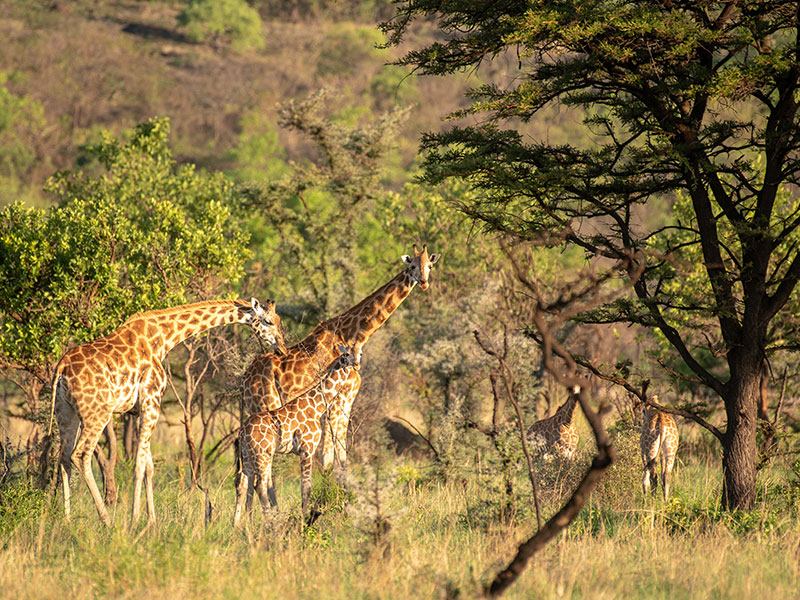
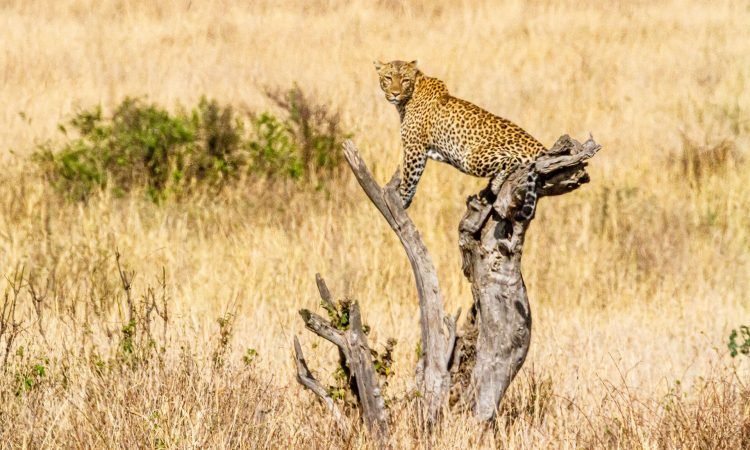
Kidepo is the only Ugandan park where cheetahs and ostriches are regularly seen, and its lion prides are known for occasionally climbing trees, much like those in Queen Elizabeth National Park. The park is managed by the Uganda Wildlife Authority, and its official Kidepo Valley National Park page confirms over 80 mammal species recorded here, including bat-eared foxes and aardwolves rarely seen elsewhere in East Africa. This unusual mix of dry-country wildlife is a direct result of Kidepo’s semi-arid Karamoja ecosystem, distinct from the rest of Uganda’s national parks. Large buffalo herds, giraffe, zebra, and eland are common sightings on a typical game drive, and predator activity — including sizeable lion prides and, less predictably, cheetah — tends to concentrate around the same water sources that draw the park’s grazing herds during the dry months.
The Narus Valley: Uganda’s Best Game-Viewing Circuit
The Narus Valley, in the park’s southern sector, holds a permanent water source that draws buffalo, elephant, giraffe, zebra, and predators throughout the dry season, making it Kidepo’s most productive game-drive circuit. Because sightings concentrate so heavily around this valley, most visitors base their entire stay near it rather than spreading time across the park’s far larger, more sparsely watered northern section. Morning and late-afternoon game drives through Narus tend to produce the most consistent sightings, with the valley’s open terrain offering long, unobstructed views rarely available in Uganda’s denser forest parks.
Kanangorok Hot Springs
Near the Sudanese border in Kidepo’s remote Kidepo Valley (Narus’s northern counterpart), the Kanangorok hot springs offer a striking, little-visited detour for travelers who want to see the park’s more extreme edges. Reaching them typically requires a full-day excursion and a UWA ranger escort, given the area’s remoteness, but the springs themselves — steaming out of an otherwise dry, rugged landscape — are worth the effort for travelers with extra time built into their itinerary. The surrounding terrain also offers some of Kidepo’s most dramatic scenery, with mountain ranges straddling the Uganda-South Sudan border visible in the distance, making the excursion worthwhile for the landscape alone even on a quiet wildlife day.
Karamojong Cultural Encounters
Kidepo sits within Karamoja, home to the semi-nomadic, cattle-keeping Karamojong people, whose traditional way of life remains distinct from the rest of Uganda. Guided visits to local manyatta homesteads offer a genuine, respectful window into Karamojong culture — cattle-centered livelihoods, traditional dress, and community life largely unchanged by mass tourism, since Kidepo’s remoteness has kept visitor numbers low. Visits are best arranged through your lodge or operator, who can coordinate directly with community leaders and ensure the visit is respectful and appropriately compensated rather than an unplanned, intrusive stop.
Birdwatching in Kidepo
With more than 475 recorded bird species, Kidepo is one of Uganda’s premier birding destinations, including several species found only in this corner of the country thanks to its dry, Sahel-influenced habitat. Ostriches, kori bustards, and a range of raptors are among the highlights that set Kidepo’s checklist apart from Uganda’s wetter, forested parks. Dedicated birders often pair a Kidepo visit with the country’s more famous forest birding sites specifically to contrast the two habitats, since a single Uganda trip covering both dry-country and rainforest species is difficult to replicate anywhere else on the continent.
Getting to Kidepo Valley National Park
Kidepo’s remoteness is both its main draw and its biggest planning challenge. The drive from Kampala takes roughly ten to twelve hours, which is why most visitors fly instead, landing at Kidepo’s airstrip via scheduled or chartered domestic flights. Our post on tourist attractions in Northern Uganda covers Kidepo alongside the region’s other highlights and is worth reading before finalizing your route north. Flights typically route through Entebbe or via a stop in Murchison Falls’ Pakuba airstrip, and because seat availability on smaller aircraft is limited, booking your flight at the same time as your permit and lodge dates is worth doing rather than treating it as a last-minute detail.
Combining Kidepo with Murchison Falls and Northern Uganda
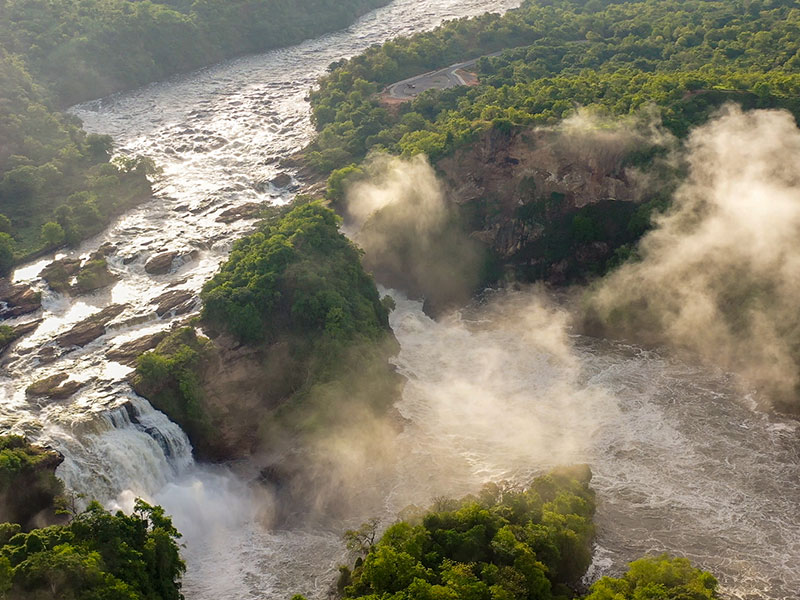
Because of the distances involved, most itineraries pair Kidepo with a stop at Murchison Falls National Park, breaking up the long overland route or connecting the two by air. UWA’s official Murchison Falls National Park page is a useful companion reference for planning this leg of a northern circuit. Our related posts on Murchison Falls, its boat ride, and 15 interesting facts about Murchison Falls are useful reading if you’re building a northern Uganda circuit that includes both parks, alongside a stop at Lake Albert along the way.
Best Time to Visit Kidepo
The dry seasons — roughly September to March — offer the best game viewing, since wildlife concentrates around the Narus Valley’s permanent water sources as smaller pools elsewhere dry up. Current seasonal forecasts are published by the Uganda National Meteorological Authority, worth checking against your travel dates given how much Kidepo’s game viewing depends on rainfall patterns.
Planning Your Kidepo Safari
Because Kidepo sees so few visitors compared with Uganda’s southern parks, planning ahead matters more here — confirming flights, ranger-guided excursions to the hot springs, and lodge availability well before you travel. Browse our full destinations list and safari packages, check our photo gallery for a sense of what to expect, confirm entry requirements through Uganda’s official e-visa portal, and review the Ministry of Tourism, Wildlife and Antiquities and Uganda Tourism Board sites for broader travel guidance. General health information for travelers to Uganda is available from the U.S. CDC’s Uganda travel page, and conservation background on the wider Kidepo landscape is published by the African Wildlife Foundation and Uganda’s National Environment Management Authority. Read more about us or check our FAQ page for further planning questions.
Ready to plan a Kidepo safari? Get in touch for a custom itinerary, or head back to our homepage to start exploring.