

Chimps and Gorillas Combination. Uganda holds a rare distinction in African travel: it’s the only country where you can track both mountain gorillas and wild chimpanzees in the same trip, often within just a few days of each other. Pairing Bwindi’s gorilla families with Kibale Forest’s habituated chimp communities gives you two of the world’s most extraordinary primate encounters without needing to leave a single country. Here’s how a chimps and gorillas combination safari works, what it costs, and how to plan one well.
Why Combine Gorilla Trekking and Chimpanzee Tracking
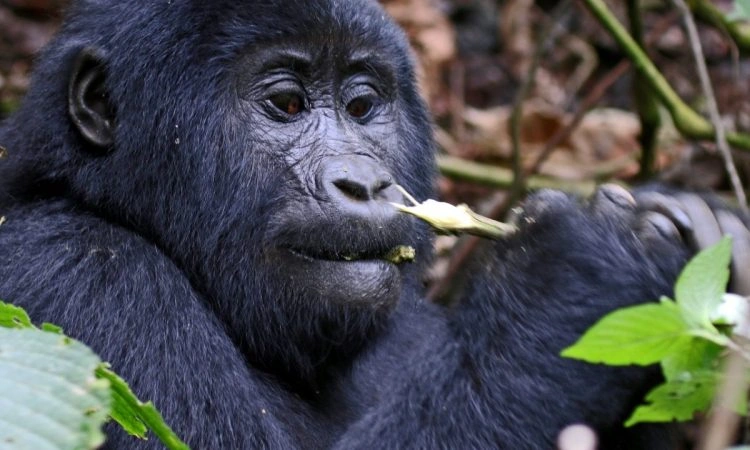
Mountain gorillas and chimpanzees are genuinely different experiences, and doing both back to back gives you a fuller picture of primate behavior than either activity offers alone. Gorilla trekking is slower and more deliberate — you spend an hour in relatively close, quiet proximity to a family led by a massive silverback. Chimpanzee tracking, by contrast, is faster-paced and noisier; chimps move constantly through the canopy, communicate loudly, and rarely sit still for long. Seeing both on the same trip highlights just how different our two closest living relatives really are, and most travelers who’ve done both say the contrast is part of what makes the combination so memorable.
Uganda is also the only country offering this pairing conveniently. Rwanda has gorillas but no significant chimpanzee tracking destination, and the Democratic Republic of Congo, while it technically has both, presents far more logistical and safety complications for most travelers.
Where the Combination Happens
A chimps and gorillas combination safari typically links two parks:
- Bwindi Impenetrable National Park — home to roughly half the world’s remaining mountain gorilla population, spread across four trekking sectors (Buhoma, Ruhija, Rushaga, and Nkuringo)
- Kibale Forest National Park — Uganda’s premier chimpanzee tracking destination, with over a dozen habituated primate species and some of the highest chimp-sighting success rates in Africa
Some itineraries substitute Kibale’s chimp trek for a shorter chimpanzee encounter at Kyambura Gorge inside Queen Elizabeth National Park, which is more affordable and easier to combine with a wildlife safari, though the sighting experience there tends to be less reliable than in Kibale.
What Each Permit Costs in 2026
Understanding the separate permit costs helps you budget accurately, since gorilla and chimpanzee permits are priced and issued independently by the Uganda Wildlife Authority.
- Gorilla trekking permit (Bwindi or Mgahinga): USD 800 per person for foreign non-residents, USD 600 during low-season discount months (April, May, November)
- Gorilla habituation experience: USD 1,800 per person for a longer, four-hour encounter with a gorilla family still being habituated
- Chimpanzee tracking permit (Kibale Forest): USD 250 per person for a standard one-hour trek
- Chimpanzee habituation experience (Kibale Forest): USD 300 per person for a longer, more immersive full-day encounter
- Kyambura Gorge chimp permit (Queen Elizabeth National Park): a lower-cost alternative, though sightings are less consistent
Combined, the two core permits alone typically run USD 1,050 to USD 1,100 per person, before accommodation, transport, park entry fees, and guiding costs are factored in.
Sample Chimps and Gorillas Itinerary
A well-paced combination safari usually runs 6 to 8 days, giving enough time to travel comfortably between parks without rushing either trek. A typical structure looks like this:
- Day 1–2: Arrive in Entebbe, transfer to Kibale Forest, chimpanzee tracking in Kanyanchu
- Day 3–4: Travel south to Queen Elizabeth National Park for game drives and a Kazinga Channel boat cruise
- Day 5–6: Continue to Bwindi Impenetrable National Park for gorilla trekking
- Day 7–8: Optional extension — a relaxing stop at Lake Bunyonyi before returning to Entebbe
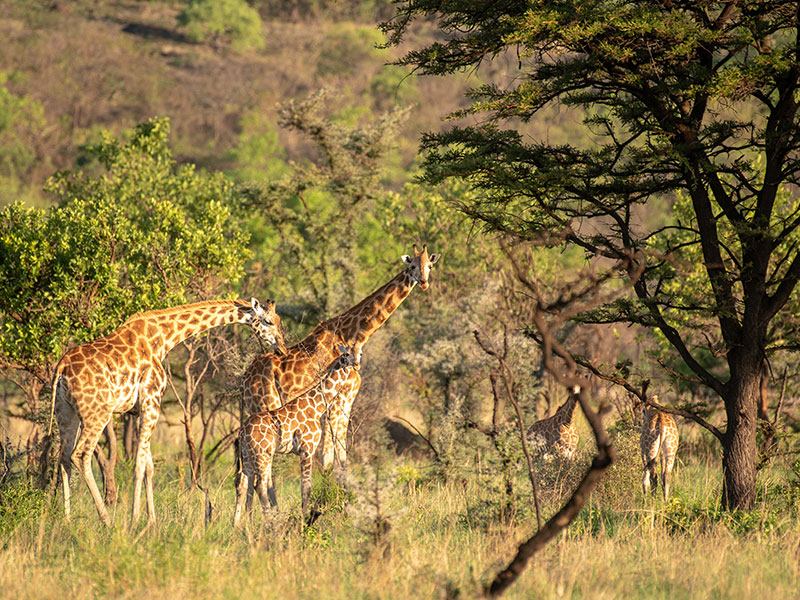
This route also conveniently threads through some of Uganda’s best savannah wildlife viewing, meaning the trip delivers primates, big game, and scenery in one continuous, well-paced circuit rather than requiring a second dedicated trip.
Full Trip Cost Estimate
Total budgets for a combined chimps and gorillas safari vary significantly depending on lodge category, but as a general guide:
- Mid-range 6–8 day safari: roughly USD 3,500 to USD 6,000 per person, including both permits, transport, accommodation, meals, and a driver-guide
- Luxury 7–10 day safari: USD 7,500 to USD 12,000+ per person, typically including premium lodges, domestic charter flights between parks, and a private guide throughout
International flights, tips, porters, and a Uganda entry visa are additional costs on top of these figures.
Best Time to Do a Chimps and Gorillas Safari
The dry seasons — June to September and December to February — offer the best trekking conditions in both Kibale and Bwindi, with firmer trails and less rainfall. These months are also peak season for permit demand, so booking both your gorilla and chimpanzee permits together at least 6 months in advance is strongly recommended. If your schedule is flexible, the low-season discount window (April, May, and November) can meaningfully reduce your gorilla permit cost while still offering good trekking conditions overall.
Booking Both Permits Together
Because gorilla and chimpanzee permits are issued separately by UWA, and each has limited daily availability, it’s important to lock in both on your preferred dates at the same time rather than booking one and hoping the other lines up later. Working with a single operator who handles both bookings — and who can sequence your itinerary so the travel time between Kibale and Bwindi fits your trekking dates — removes most of the coordination headache. If you’re still deciding on your gorilla trek specifically, our guide on <a href=”https://afrigazeugandasafariz.com/how-to-book-a-gorilla-permit-in-uganda/”>how to book a gorilla permit in Uganda</a> walks through the process in more detail.
Physical Demands of Both Treks
Both activities involve hiking through forest terrain, though the demands differ. Gorilla trekking in Bwindi can range from a short 30-minute walk to a strenuous multi-hour climb through dense, often muddy vegetation, depending on where the gorilla family happens to be that day. Chimpanzee tracking in Kibale tends to be gentler, following more established forest trails, though chimps move quickly and the trek can still involve a fair amount of walking to keep pace with the group. Porters are available for gorilla treks and are well worth hiring regardless of your fitness level — the terrain in Bwindi can be genuinely demanding.
Plan Your Chimps and Gorillas Combination Safari With Us
A combined gorilla and chimpanzee safari is, for many travelers, the single best way to experience Uganda’s wildlife in one trip. It pairs two of the most sought-after primate encounters on the planet with some of East Africa’s best savannah scenery in between, all without needing to cross a border.
Our team at Afrigaze Uganda Safariz can secure both your gorilla and chimpanzee permits together and build a complete itinerary around your travel dates and budget. Take a look at our gorilla trekking safari packages or contact us directly to start planning your primate adventure.
For official, up-to-date permit tariffs for both gorilla and chimpanzee trekking, always confirm directly with the Uganda Wildlife Authority.